
Listen to the episode
Episode Summary
The episode opens with an audacious hook, promising insights into how something as peculiar as a "little radioactive" item could have been marketed as a miracle cure. The conversation unfolds against the backdrop of the early 1900s, a time rife with scientific exploration and a public eager for health solutions. Marie Curie's discovery of radium in 1898 ignited a fervor that saw this element touted for its supposed healing properties, leading to the creation of products that ranged from radium-infused water jugs to cosmetics claiming to rejuvenate skin.
Listeners will learn about the infamous Revigator—an early radium water jug that exemplified the era's reckless enthusiasm for radioactive health benefits. This episode doesn't shy away from the darker side of this craze, recounting the tragic stories of the Radium Girls, who suffered severe health repercussions from painting watch dials with radium-laced paint. Shea and their guest delve into the absurdity of consumer products that contained radium but were marketed as safe and beneficial, including radium toothpaste and even radium-infused condoms. The bizarre marketing tactics of the time transformed everyday items into "health elixirs," with claims that they could cure a multitude of ailments, from arthritis to depression.
Adding to the intrigue, the episode reveals how this fascination with radium persisted into the mid-20th century, with some companies continuing to sell products long after the dangers were recognized. The conversation takes an unexpected turn as they discuss modern-day collectors, the legality of owning radioactive antiques, and the implications of a resurgence in interest in radium-based products within health and wellness communities.
Listeners will be captivated by the personal anecdotes shared about discovering radioactive antiques, such as the story of a grandmother's doorstop that turned out to be a radium emanator. The guest's passion for history is evident as they recount the meticulous research that goes into uncovering the stories behind these artifacts, including their upcoming book that aims to shed light on the lesser-known aspects of the radium craze.
This episode of "Rainy Day Rabbit Holes" not only delves into the historical and cultural significance of radium but also serves as a cautionary tale about the need for critical thinking in the face of modern wellness trends. With its blend of humor, horror, and historical insight, this episode promises to engage those curious about the intersections of health, marketing, and the consequences of our past choices. Tune in to discover how a hundred years ago, the quest for health could lead us down some perilous rabbit holes—one glowing product at a time.
At the dawn of the 20th century, radium was not feared. It was celebrated. Marketed as a miracle of modern science, this newly discovered element promised vitality, beauty, and better health. Companies sold radioactive clocks, cosmetics, medical devices, and even drinking water, all proudly glowing with progress.
In this episode of Rainy Day Rabbit Holes, Shea sits down with the creator behind Radiant Radium, a collector and historian who specializes in household and beauty products from the radium craze of the 1910s through the 1930s. Drawing from his extensive personal collection, Radiant Radium walks us through a period when radiation was a selling point and the long term dangers were barely understood.
We discuss how these objects escaped the laboratory and ended up in kitchens, bathrooms, and bedrooms across America. From glow in the dark clocks and uranium glass to radium water crocks, radioactive cones, cosmetics, medical quackery, and infamous patent medicines like Radithor, this episode traces the rise and fall of one of the strangest health fads in American history.
Along the way, we explore the Radium Girls, the tragic death of Eben Byers, the collapse of public trust in radium, and why belief in the health benefits of radiation still persists today. We also talk about the legality and safety of collecting radioactive antiques, how to identify them, and what to do if you find one in an antique store or a relative’s home.
History, curiosity, and caution collide in this deep dive into a time when the future looked bright, and sometimes literally glowed.
Find Radiant Radium
- TikTok: https://www.tiktok.com/@radiantradium
- Instagram: https://www.instagram.com/radiantradium/
- YouTube: https://www.youtube.com/@radiant.radium
Visit Us
- Rainy Day Rabbit Holes: www.rainydayrabbitholes.com
Support this podcast at — https://redcircle.com/history-unhinged-rainy-day-rabbit-holes/exclusive-content
Advertising Inquiries: https://redcircle.com/brands
Privacy & Opt-Out: https://redcircle.com/privacy
Episode Gallery
The Deadly Glow: America’s Radium Craze episode image
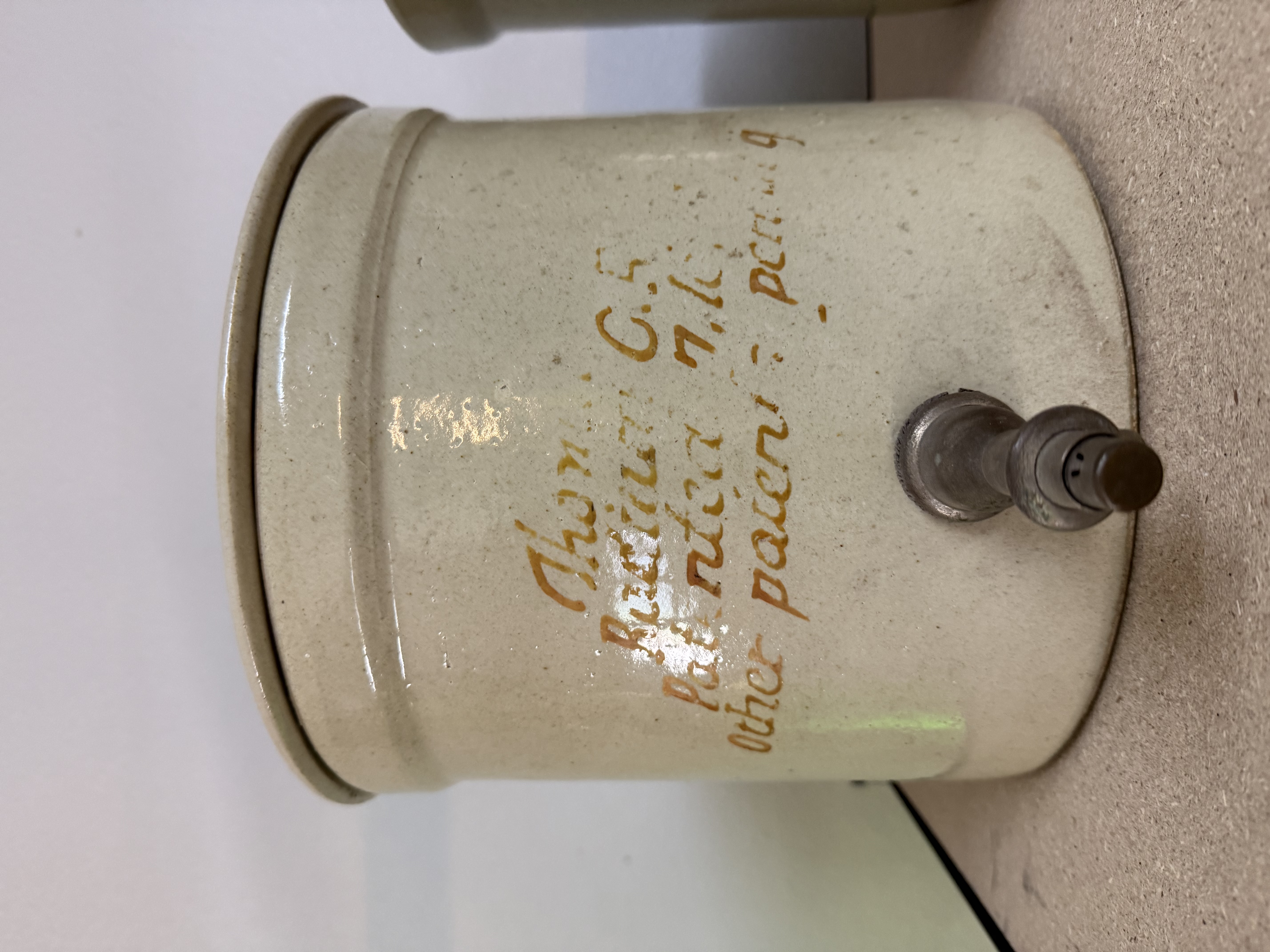
Thomas Charging Jar
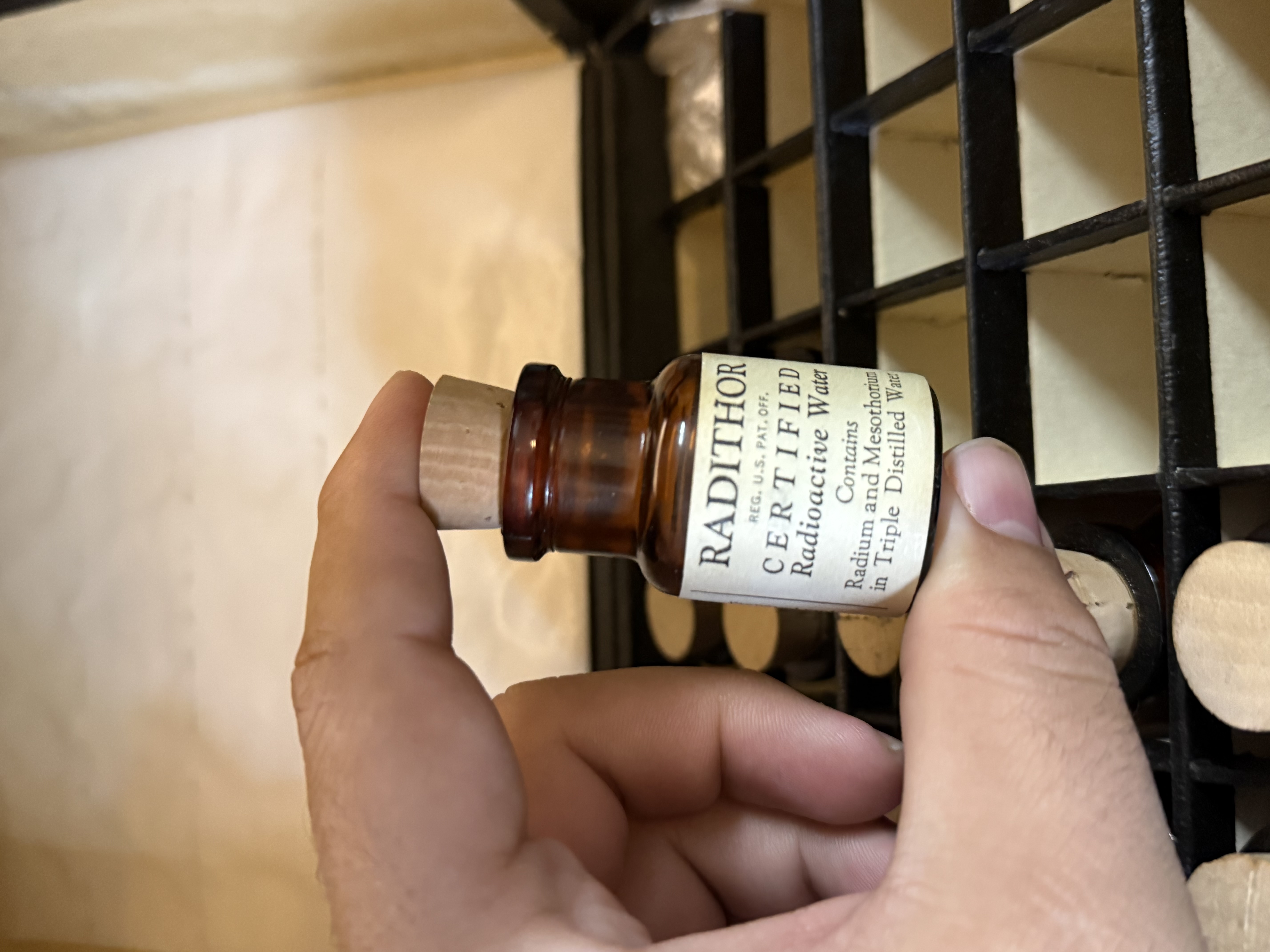
Radithor Patent Medicine
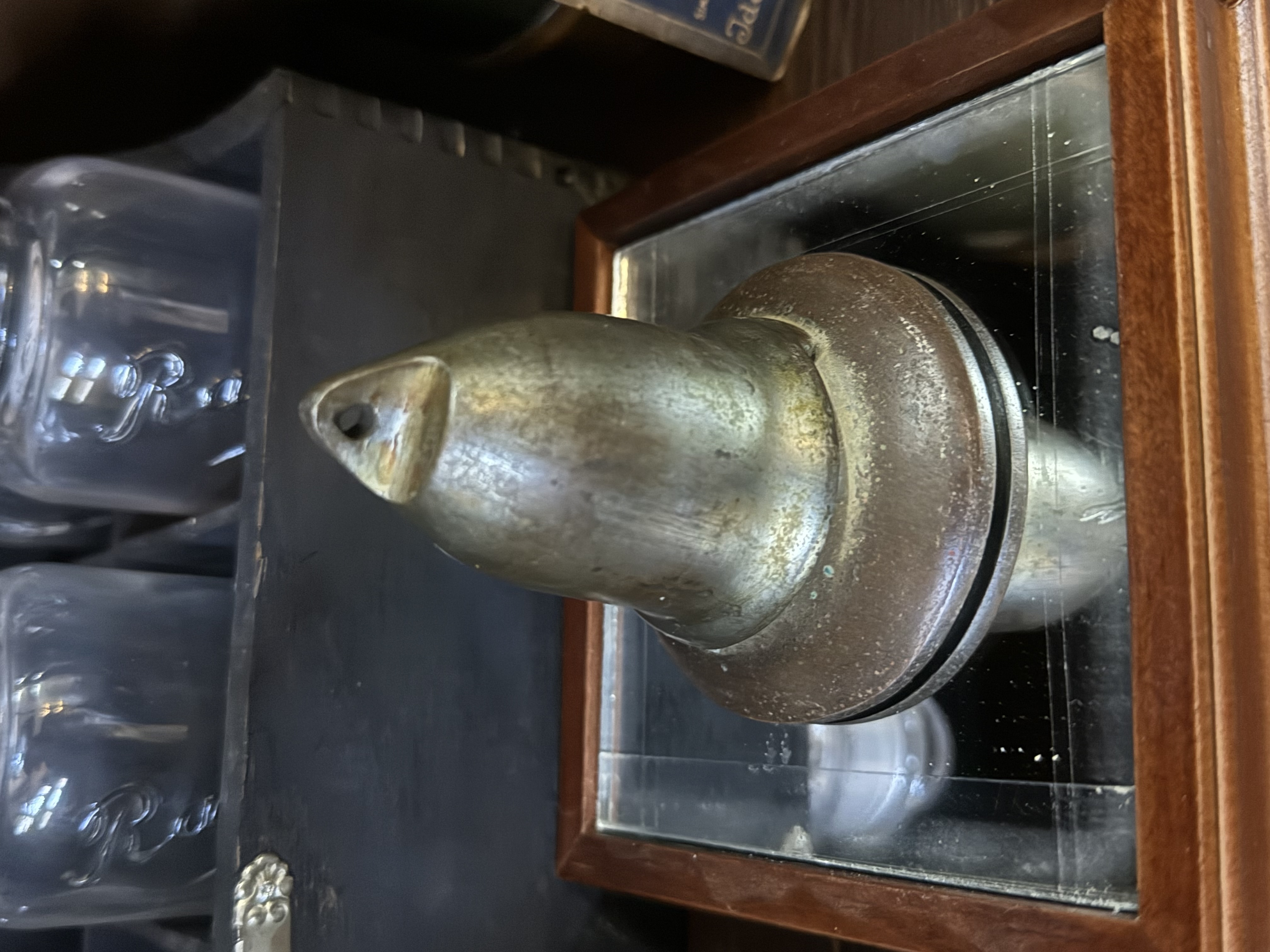
Zimmer Radon Generator
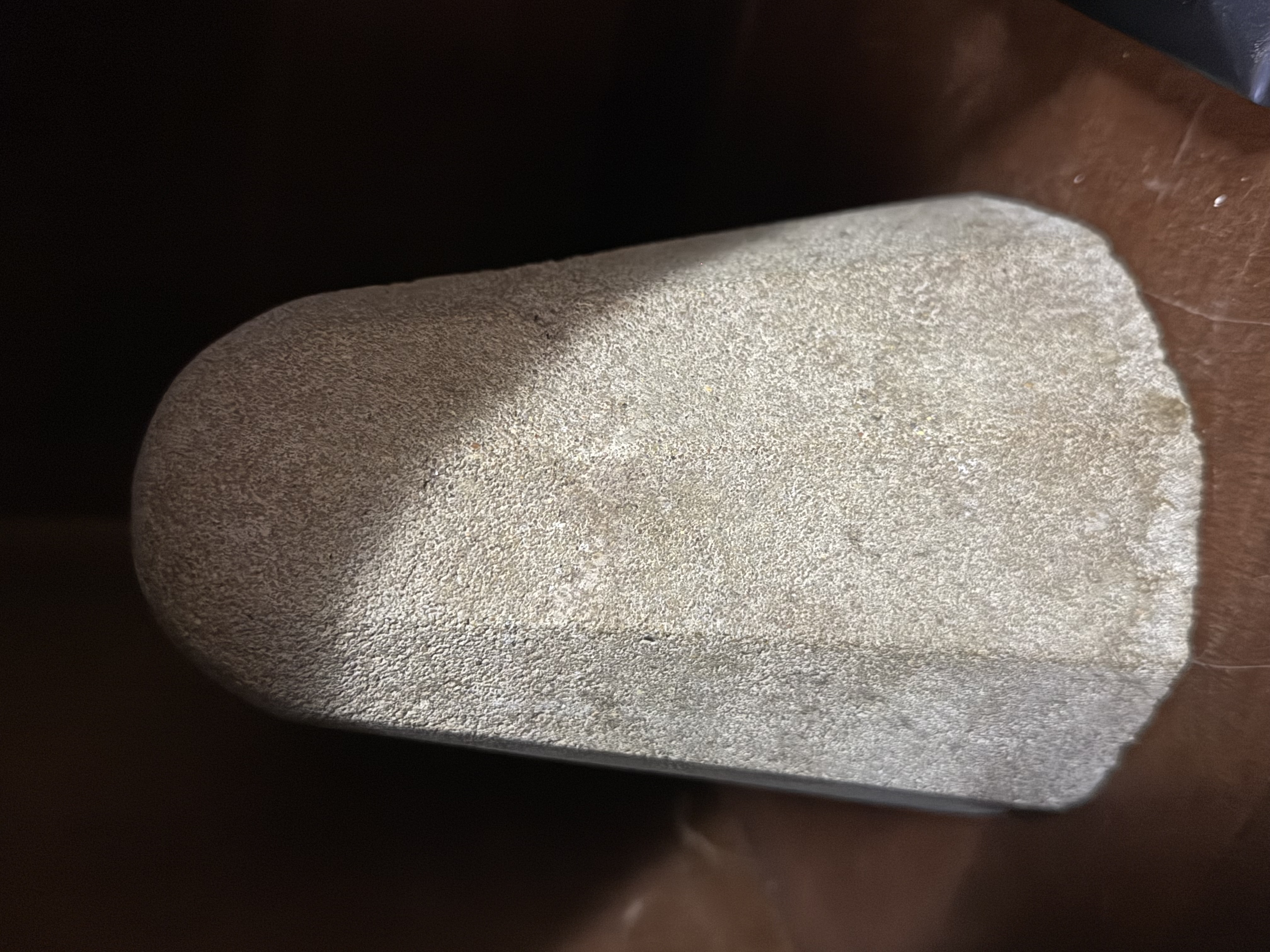
Thomas Radioactive Cone
Sources and Links
Episode Location
East Orange, New Jersey, United States
Loading map...
Location of the Bailey Radium Laboratories, maker of Radithor